The Perseid meteor shower, already underway, peaks this weekend, and the Tallahassee Astronomical Society is on the case. We plan to be at Cypress Landing Astronomy Park, our rural dark site, late Saturday night & Sunday morning (August 10-11) to enjoy and share the best show of the summer, weather permitting.
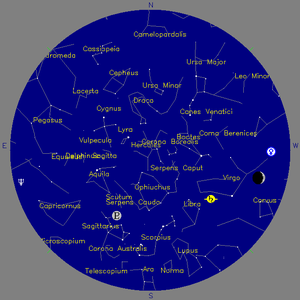
The meteor rate should start out low before midnight, then increase as the night progresses, peaking before dawn when the constellation Perseus is high in the sky. "We have found that one meteor shower produces more fireballs than any other," explains Bill Cooke of NASA's Meteoroid Environment Office.
"Get away from city lights," advises Cooke. "While fireballs can be seen from urban areas, the much greater number of faint Perseids is visible only from the countryside."
A fireball is a very bright meteor, at least as bright as the planets Jupiter or Venus. They can be seen on any given night as random meteoroids strike Earth's upper atmosphere. One fireball every few hours is not unusual. Fireballs become more numerous, however, when Earth is passing through the debris stream of a comet. That’s what will happen this weekend.
The Perseid meteor shower comes from Comet Swift-Tuttle. Every year in early- to mid-August, Earth passes through a cloud of dust sputtered off the comet as it approaches the sun. Perseid meteoroids hitting our upper atmosphere at high speed produce an annual light show that is a favorite of many backyard sky watchers.
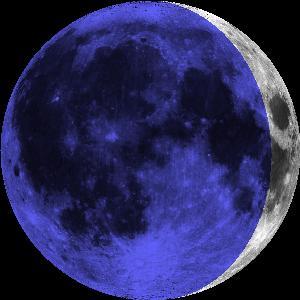
In astronomy, there's nothing quite like a bright meteor streaking across the glittering canopy of a moonless night sky. The unexpected flash of light adds a dash of magic to an ordinary walk under the stars.
For every fireball that streaks out of Perseus, there will be dozens more ordinary meteors only visible away from city lights.
Comfortable clothes, including good shoes, are encouraged, along with your preferred bug repellent. If you have a red flashlight, please bring it along; white lights will ruin your night vision and are strongly discouraged.
The forecast is good, but if it’s cloudy, stay home. The meteor shower is about eighty miles up, and will not be visible through overcast skies.
Ed Valla
Observing Chair, Tallahassee Astronomical Society
The meteor rate should start out low before midnight, then increase as the night progresses, peaking before dawn when the constellation Perseus is high in the sky. "We have found that one meteor shower produces more fireballs than any other," explains Bill Cooke of NASA's Meteoroid Environment Office.
"Get away from city lights," advises Cooke. "While fireballs can be seen from urban areas, the much greater number of faint Perseids is visible only from the countryside."
A fireball is a very bright meteor, at least as bright as the planets Jupiter or Venus. They can be seen on any given night as random meteoroids strike Earth's upper atmosphere. One fireball every few hours is not unusual. Fireballs become more numerous, however, when Earth is passing through the debris stream of a comet. That’s what will happen this weekend.
The Perseid meteor shower comes from Comet Swift-Tuttle. Every year in early- to mid-August, Earth passes through a cloud of dust sputtered off the comet as it approaches the sun. Perseid meteoroids hitting our upper atmosphere at high speed produce an annual light show that is a favorite of many backyard sky watchers.
In astronomy, there's nothing quite like a bright meteor streaking across the glittering canopy of a moonless night sky. The unexpected flash of light adds a dash of magic to an ordinary walk under the stars.
For every fireball that streaks out of Perseus, there will be dozens more ordinary meteors only visible away from city lights.
Comfortable clothes, including good shoes, are encouraged, along with your preferred bug repellent. If you have a red flashlight, please bring it along; white lights will ruin your night vision and are strongly discouraged.
The forecast is good, but if it’s cloudy, stay home. The meteor shower is about eighty miles up, and will not be visible through overcast skies.
Ed Valla
Observing Chair, Tallahassee Astronomical Society
Date: Saturday, August 10 - Sunday, August 11, 2013
Time: noon - 5 a.m. Eastern
Location:
Cypress Landing Astronomy Park
16900 Ro Co Co Road
Monticello, FL 32309